Close
Close


A three-year degree in architecture that is world-renowned for both creativity and innovation, accredited by ARB/RIBA for Part 1.

About
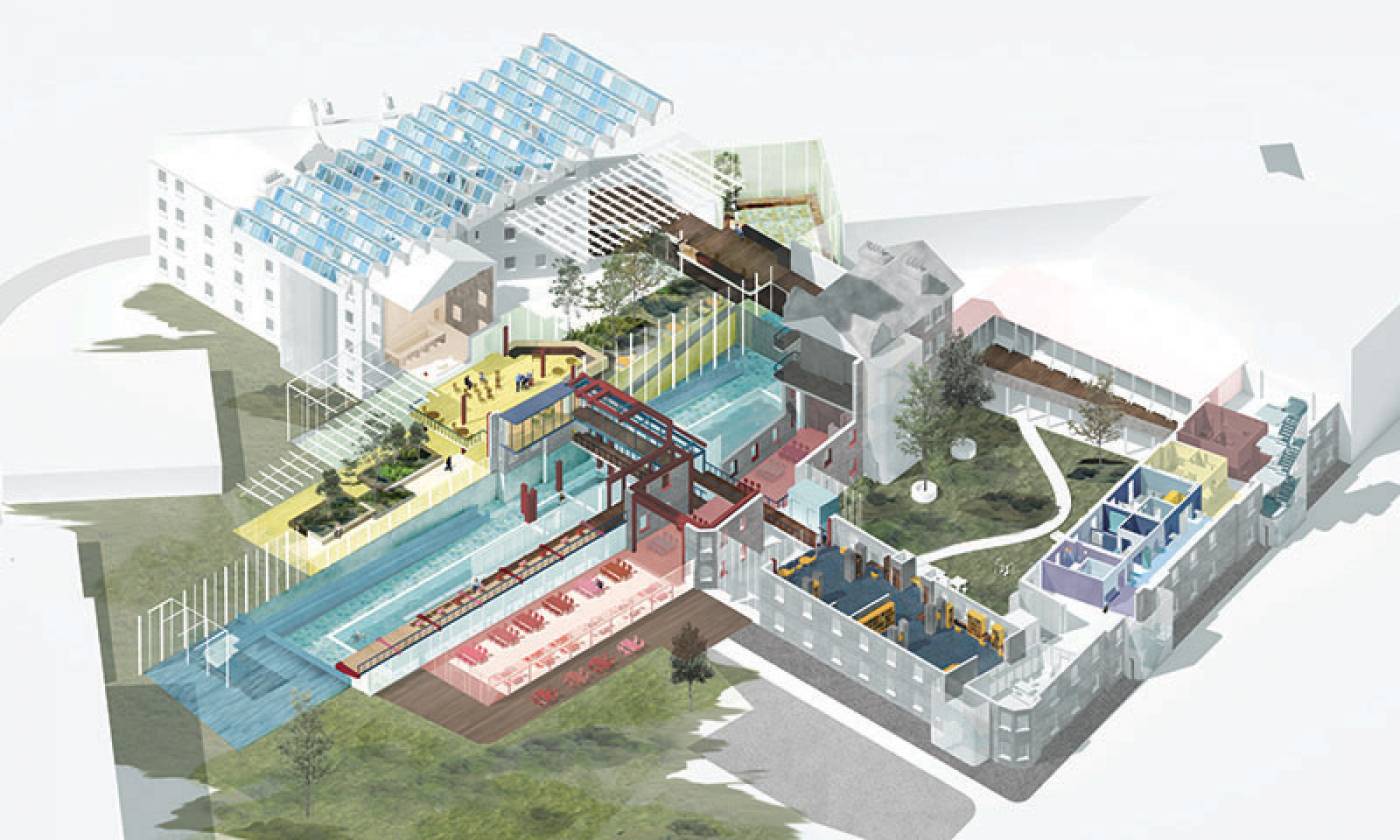
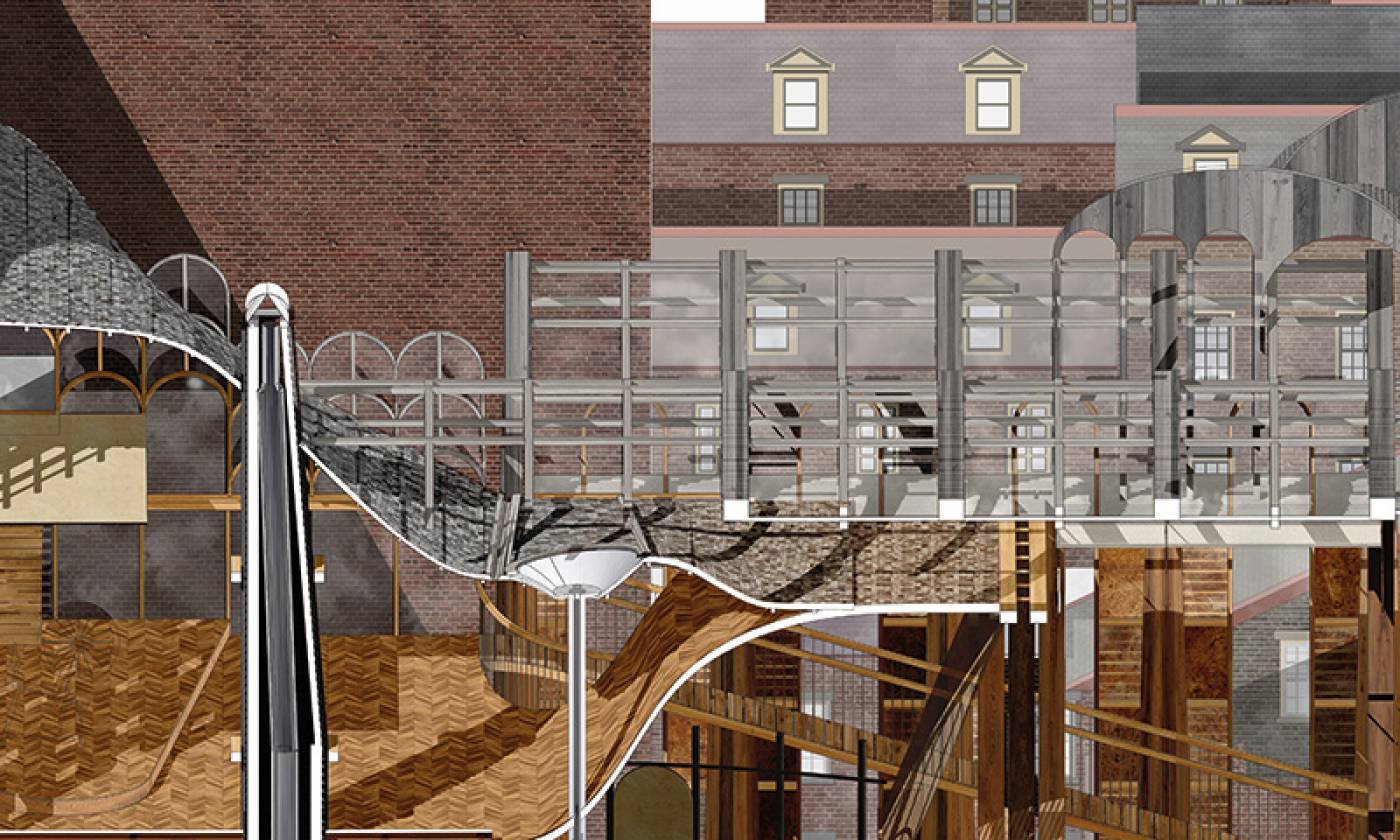
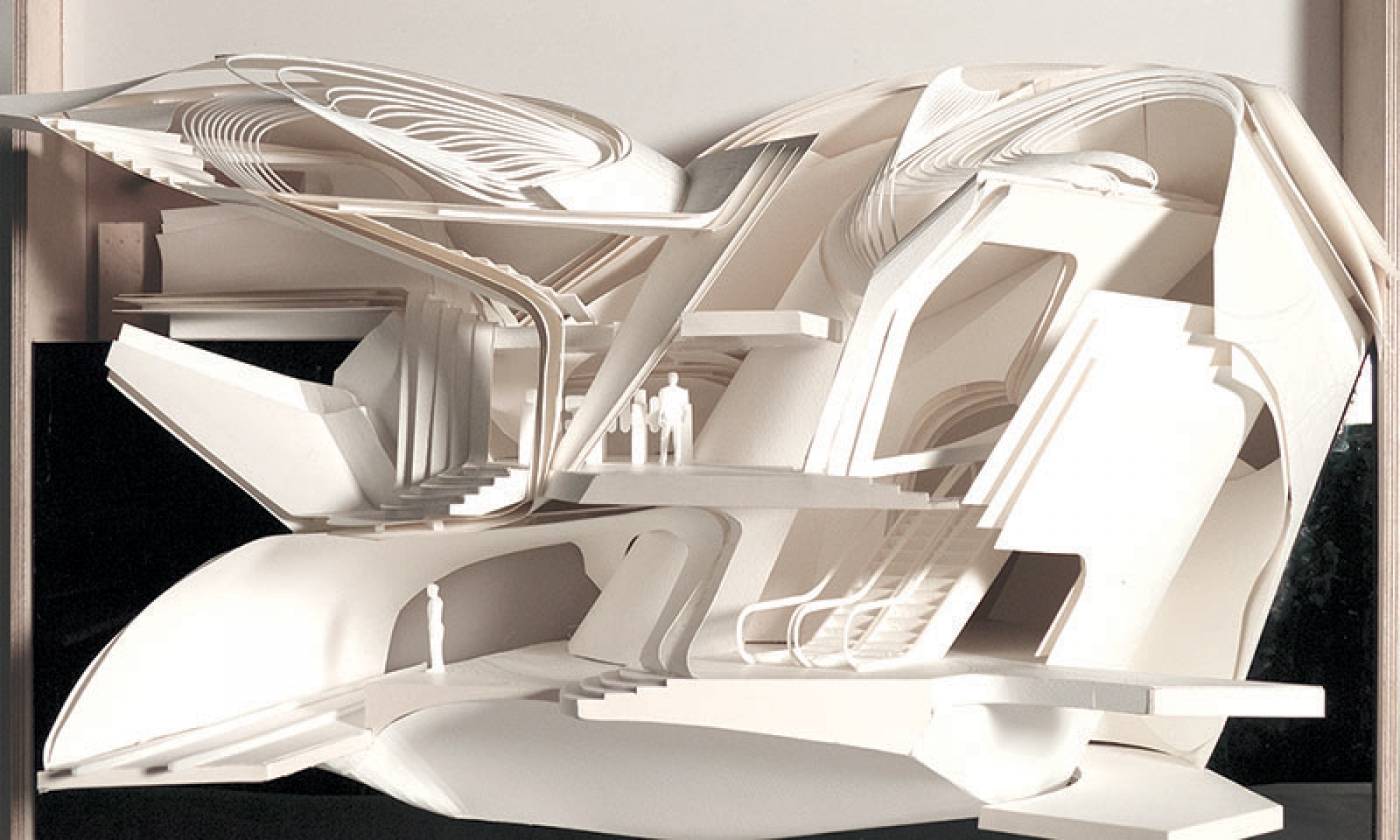
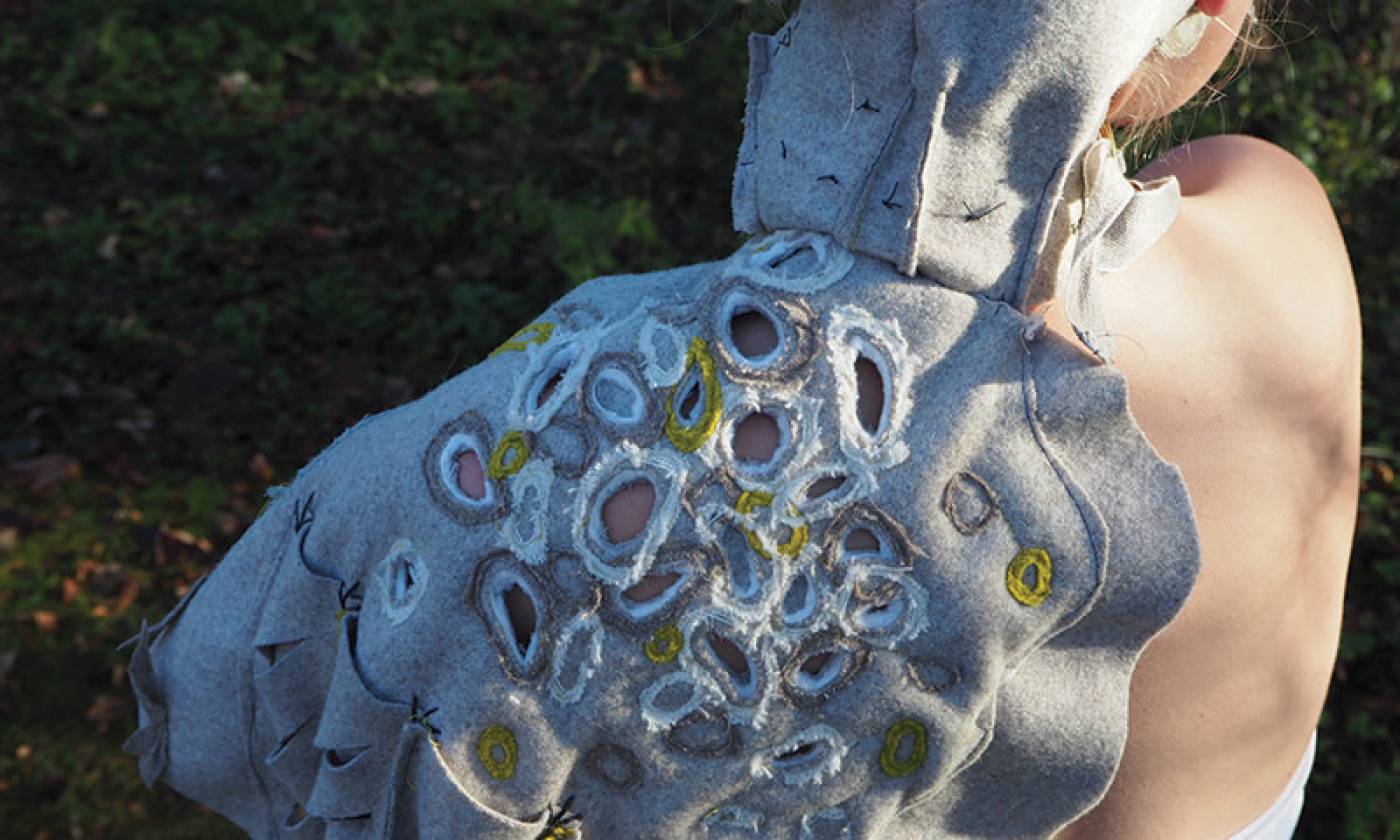
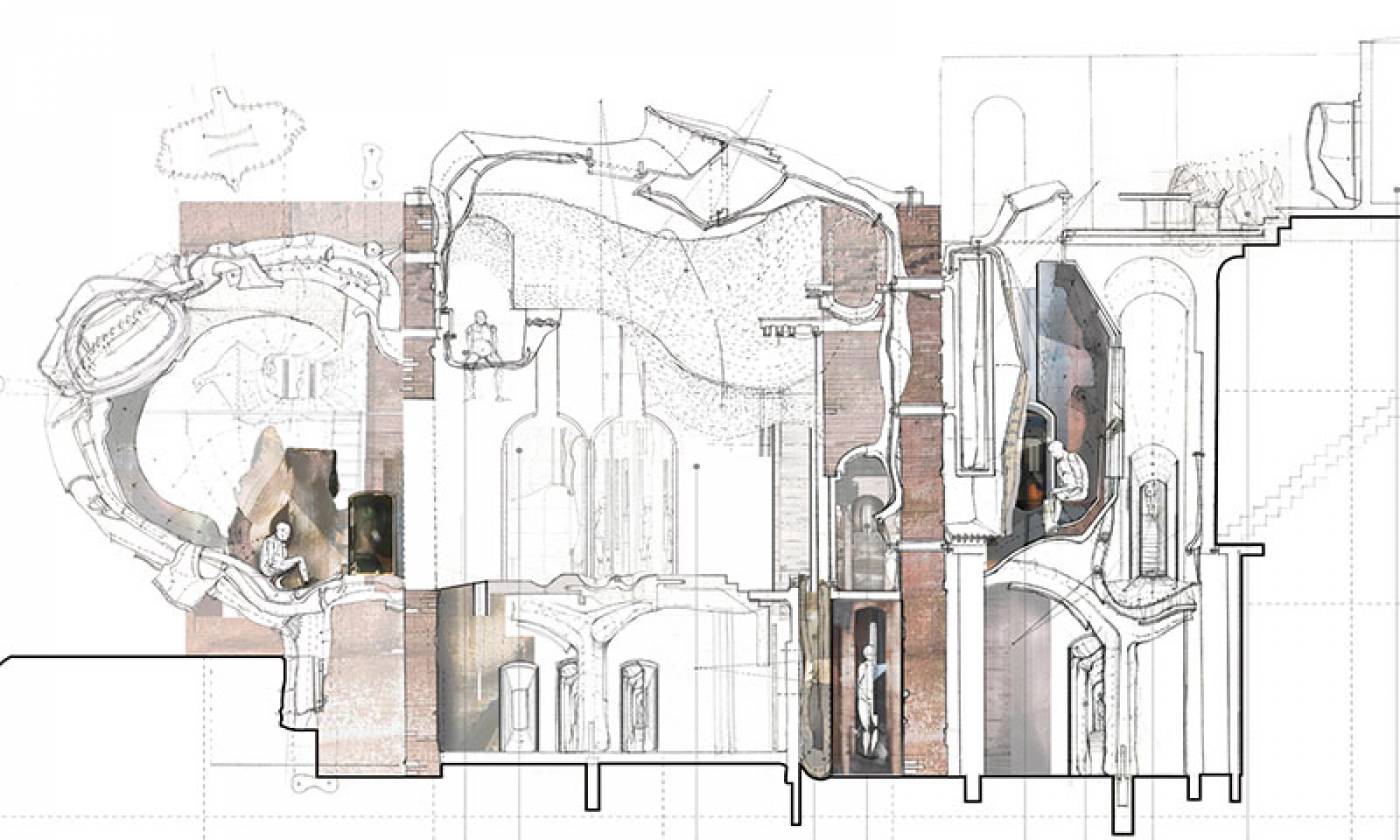
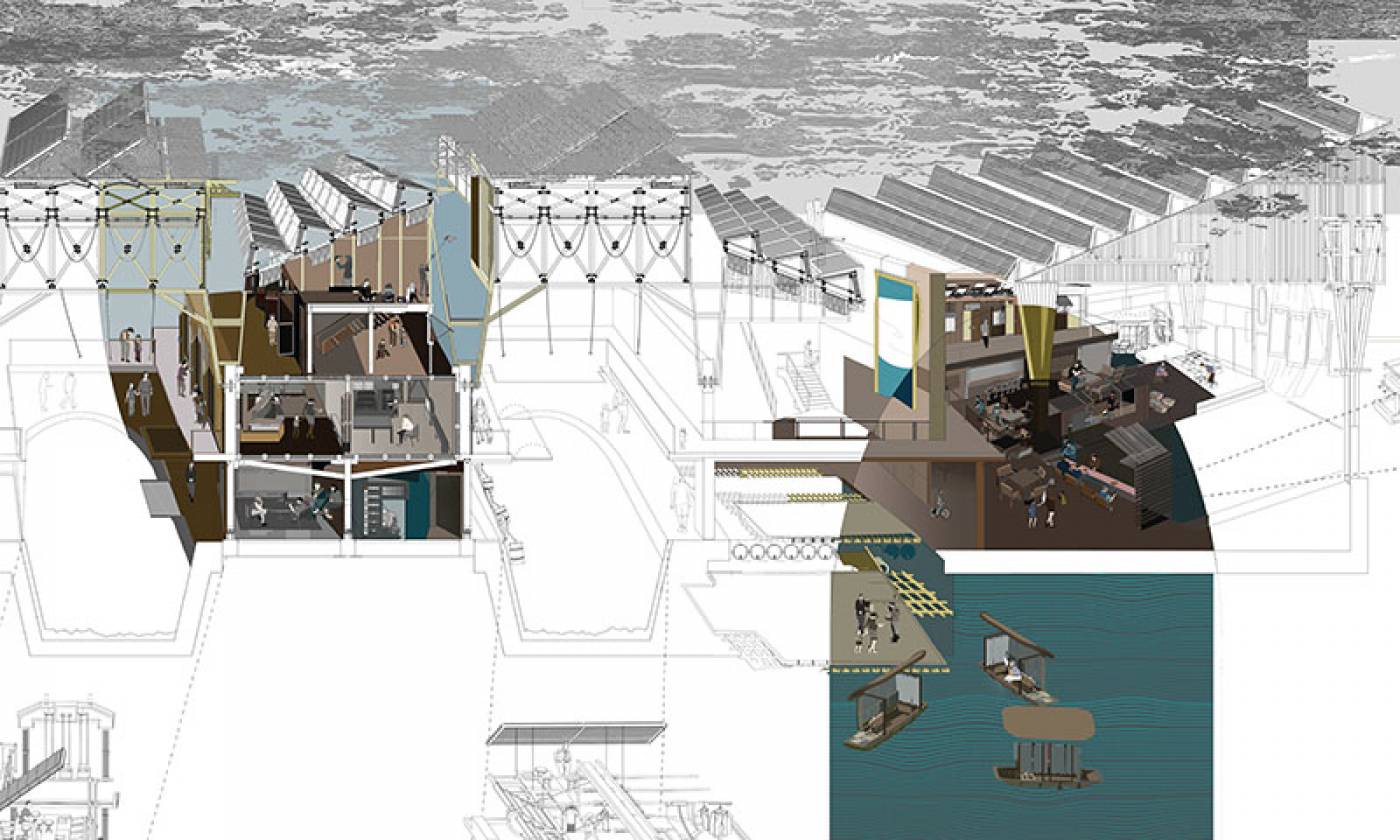
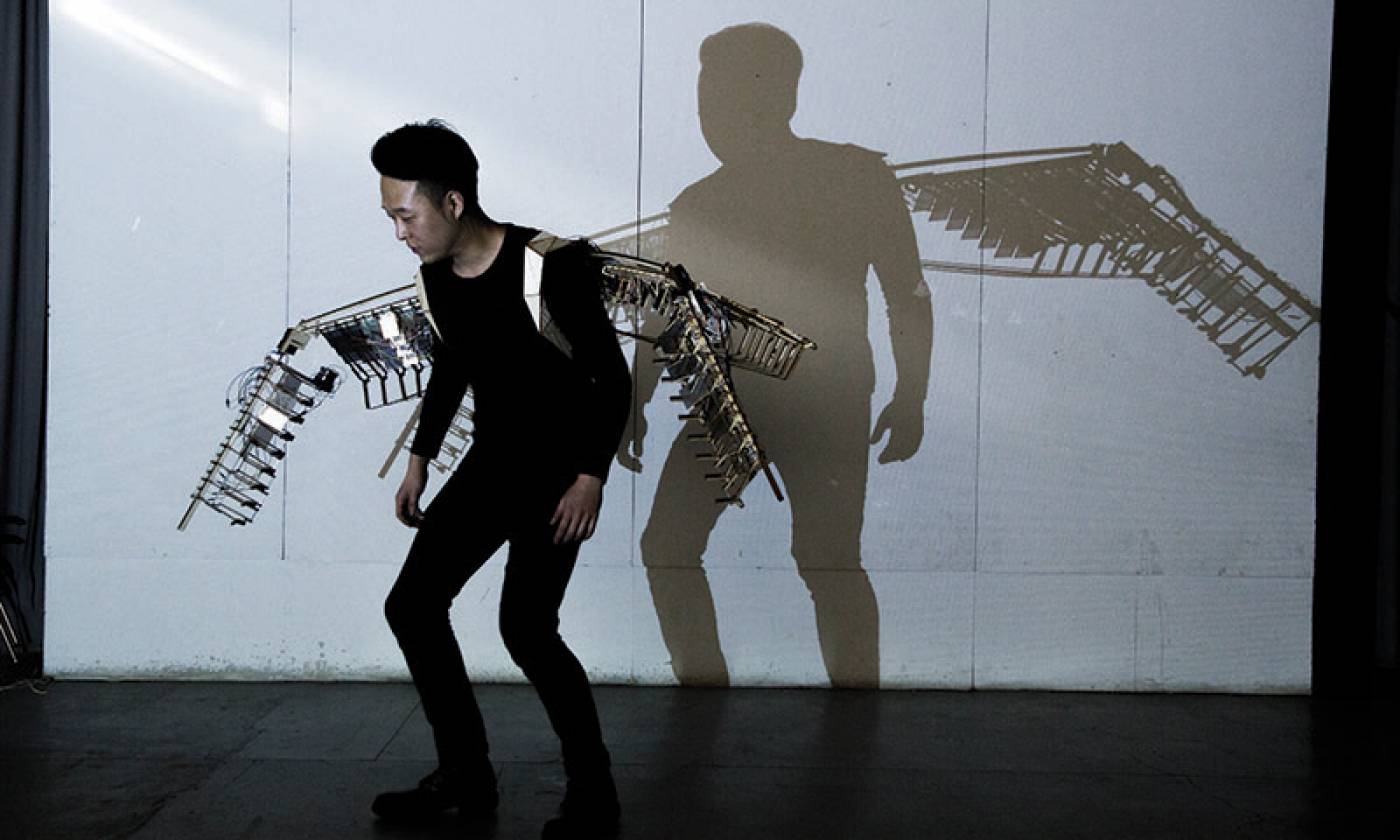
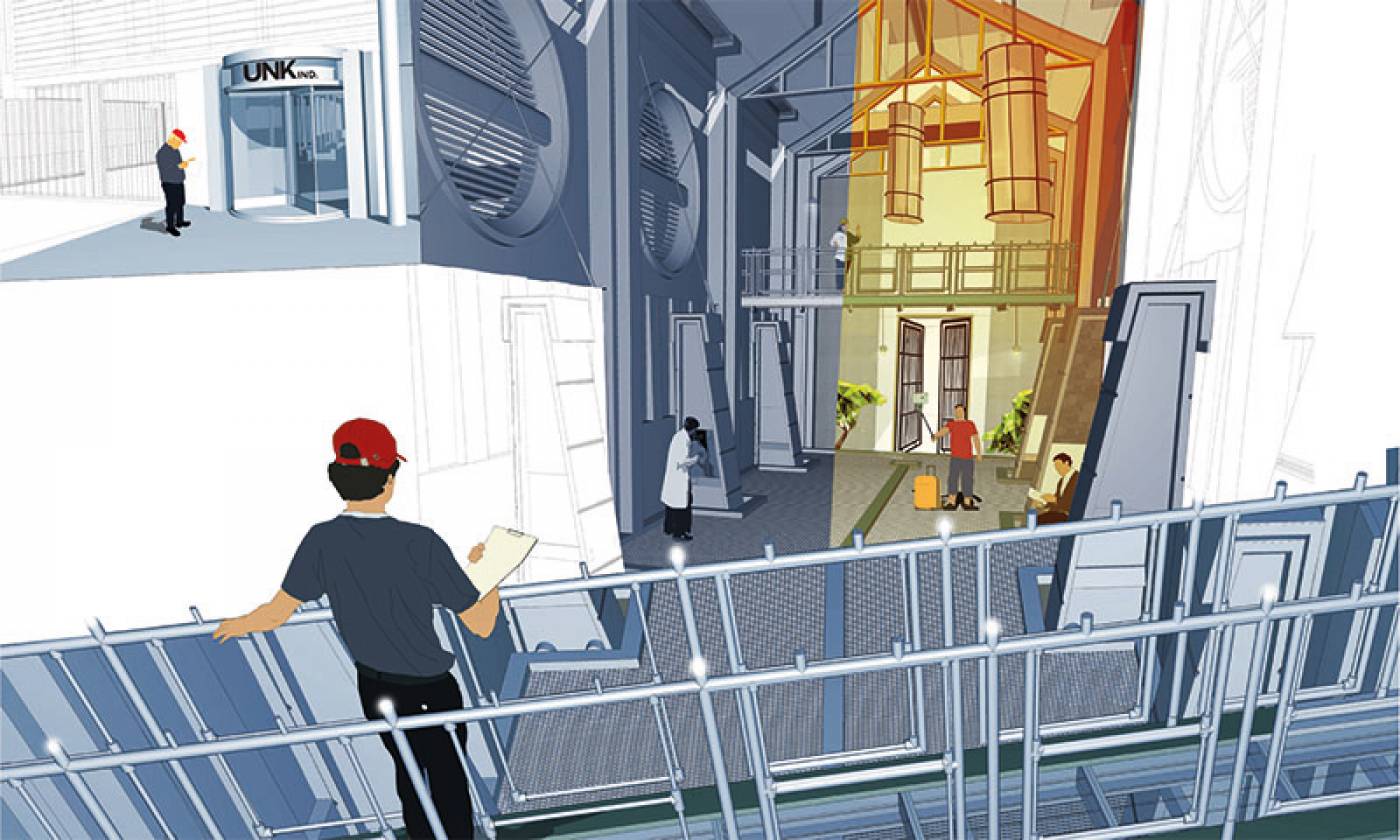
This three-year programme teaches students from across the globe the skills to practise architecture and an understanding of how to use those skills imaginatively in different contexts.
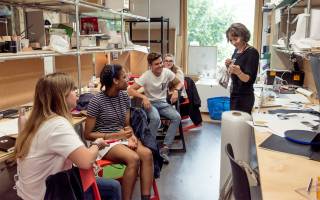
As an architecture student at The Bartlett, your time will be spent in both the studio and the workshop, with approximately 70% of the programme taught and assessed through your design portfolio. Design teaching is delivered by leading practitioners, specialists and academics in small groups or on a one-to-one tutorial basis with frequent review sessions.
As well as being vocational preparation for practising architecture, this programme introduces students to the wider societal forces which affect them and architectural production, stressing the indivisibility of the architectural, cultural, professional and technological realms. Alongside design teaching, our students take core modules (Technology, History & Theory, Computing and Professional Studies) which are assessed through a combination of coursework, essays and examinations.
Highlights
- Learn the skills to practise architecture, exchanging ideas with students from across the globe as well as leading practitioners and academics
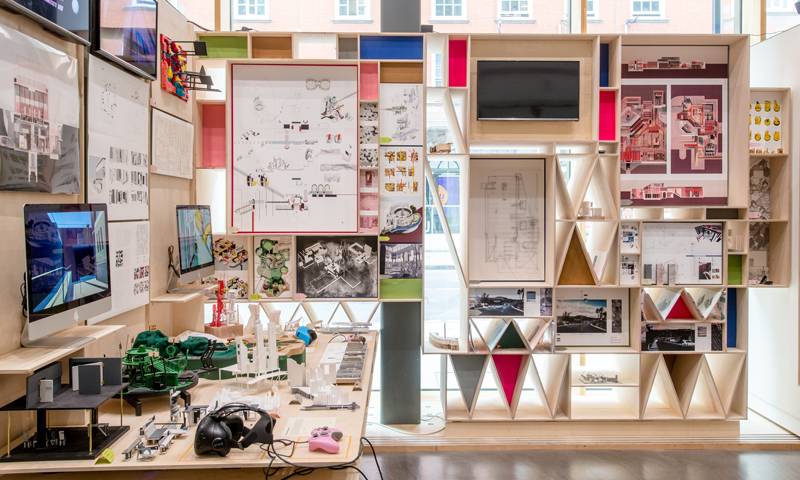
- Work in state-of-the-art bespoke facilities – both our studios and workshops are designed for creative flexibility and idea generation – and take part in the UK’s biggest architecture Summer Show
- Choose one of our famous Design Units in Year 2 and 3, with whom you’ll develop your own unique project and undertake substantial field work and trips
- Enjoy being part of a world-leading community for studying, teaching and researching architecture and the built environment
“Studying architecture at The Bartlett has encouraged me to do things that I had never dreamed of doing, challenging my world, both technically and intellectually.
Tom Ushakov, Architecture BSc student, 2019
“Studying at The Bartlett is rigorous and rewarding for students with confidence, grit and curiosity.
Annabelle Tan Kai Lin, Architecture BSc student, 2019
Modules
Year 1
- Design Projects (60 credits)
Module coordinator: Max Dewdney, Isaac Simpson, and Tahmineh Hooshyar Emami
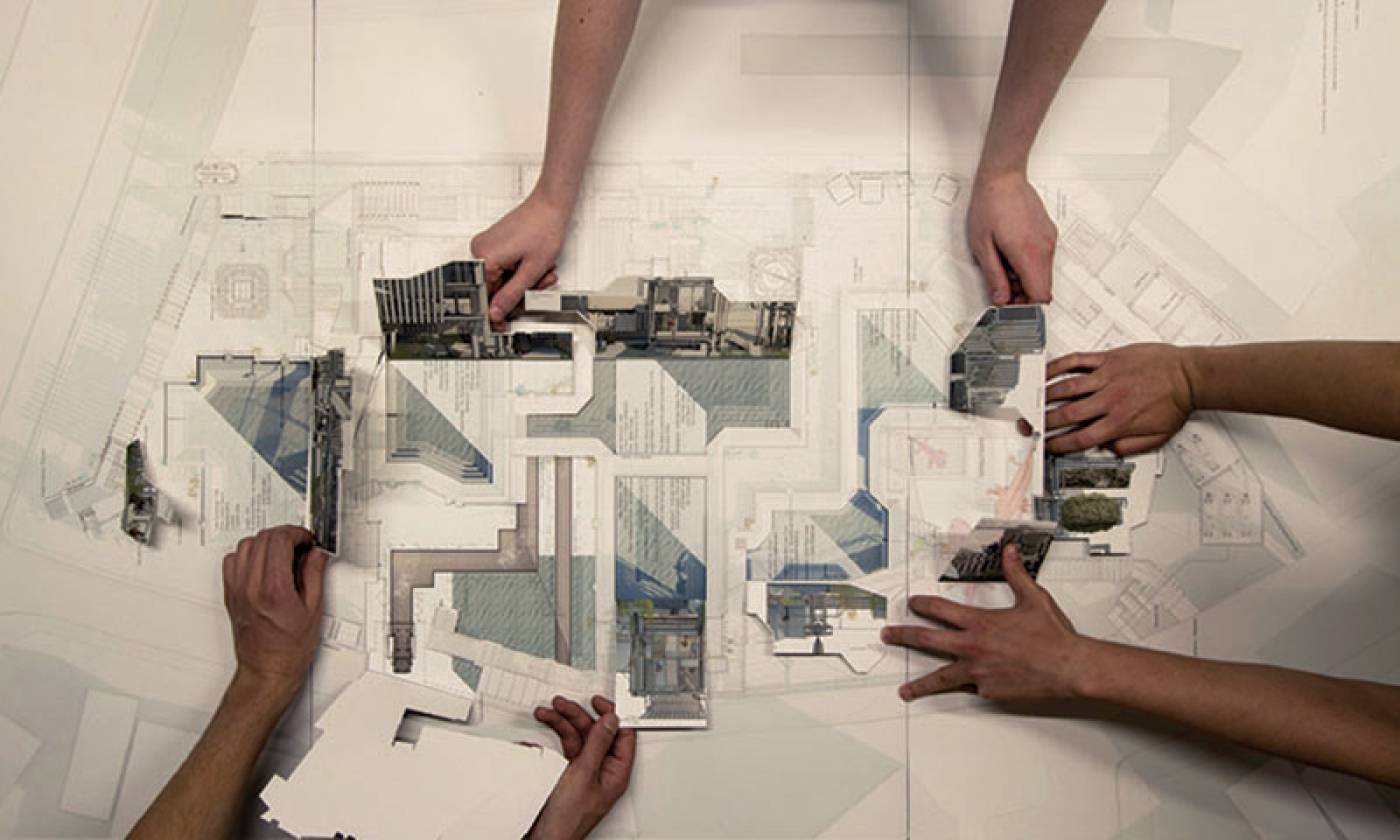
This module explores ways of seeing, understanding and interpreting objects, places and events, learning to look beyond the obvious into the unseen and often absurd qualities of things. Students develop the skills to undertake investigations and representations of architecture through various media and complete a series of design projects across a range of scales, constructed or represented through models and drawings.
- Environmental Design (15 credits)
Module coordinator: Blanche Cameron and Sal Wilson
This module aims to teach students the skills and concepts needed to address environmental design as an integral part of the architectural design process. Students are introduced to environmental design and its associated fields including climate, energy and sustainability. They study, among other things, environmental physics, energy sourcing and the relationship between buildings and global climate.
- History of Cities and their Architecture (15 credits)
Module coordinator: Mario Carpo and Eva Branscome
Students are introduced to Western architectural and urban history, from the classical age to today, with a brief overview of architectural history outside of the Western canon. This module also introduces new methodologies of architectural history and theory developed in the field of cultural studies.
- Making Cities: The Production of the Built Environment (15 credits)
Module coordinator: Nicholas Jewell
Students develop an understanding of the relationship between architecture, planning and construction, learning how these teams come together to design and deliver projects and how the accumulation of these projects shapes and is shaped by their urban context. Using London as their primary resource, students undertake critical and creative research on specific built and emerging projects within the city, which are primarily explored through the production of short films.
- Structures, Materials and Forming Techniques (15 credits)
Module coordinators: Steve Johnson and Anderson Inge
This module is designed to equip students with the tools and technical knowledge they need to allow the development of their own design thinking and personal research. Students develop a clear understanding of the materials used in the making of buildings, how these materials are fabricated and the architectural and structural influence of material selection.
Year 2
- Design Projects (75 credits)
Module coordinators: Farlie Reynolds and Colin Smith
Students work in small studio groups called Design Units, to respond to a brief and develop a substantial portfolio and final project, often but not always inspired by the Unit’s annual field trip. This module consists of three stages, in which students investigate, develop and synthesise their building designs. Projects may take the form of 1:1 installations, material testing, speculative drawings, animations and models, either digital or physical
- Design Technology I (15 credits)
Module coordinator: Oliver Houchell and Sal Wilson
Students learn to demonstrate a project’s potential to respond to site and context, by addressing the technical requirements of a building’s design and construction and the needs of its users. Each student collates, amongst other things, a suitable selection of materials, a structural strategy and an environmental and energy strategy for their design project.
- Ethics & Agency (15 credits)
Module coordinator: Jonathan Kendall
This module introduces students to the full range of career options in architecture, including business, practice and enterprise initiatives. Students work in groups to simulate practice and business activities and learn transferable skills applicable to both practice and other enterprise initiatives.
- History and Theory of Architecture (15 credits)
Module coordinators: Adam Walls and Thomas Charles Dyckhoff
This module develops students’ understanding of key moments in the history and theory of architecture, and the ways in which architectural knowledge is produced. Students study, amongst other things, 20th century architects and buildings, a range of key architects’ philosophies and approaches, the relationship between architecture and the arts, and the influence of architectural writing on architecture.
Year 3
- Design Projects (75 credits)
Module coordinators: Farlie Reynolds and Abigail Ashton
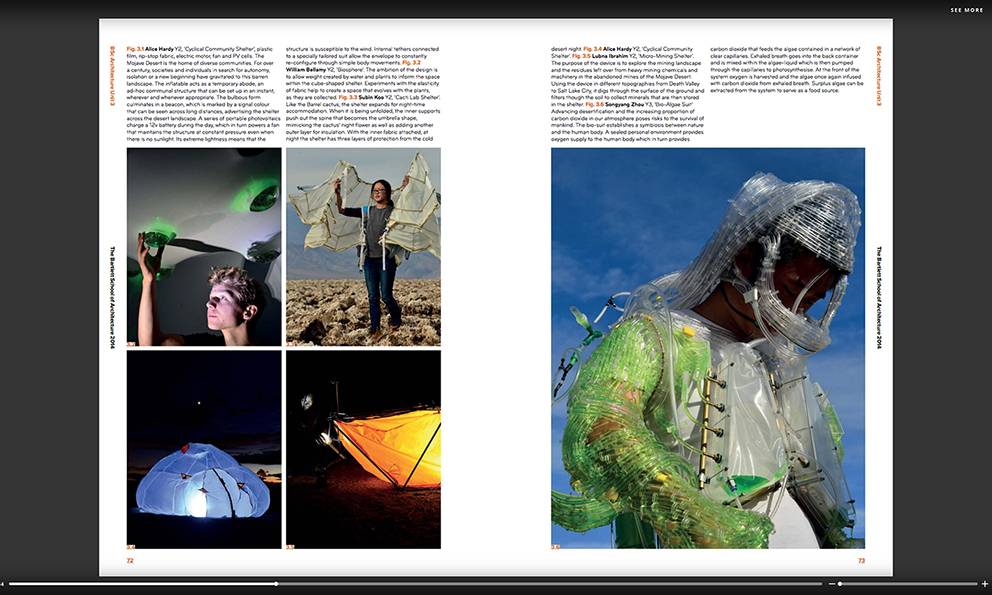
Students work in their Design Units to respond to a brief and develop a substantial portfolio and final project, often but not always inspired by the Unit’s annual field trip. As with Year 2, this module consists of three stages, in which students investigate, develop and synthesise their architectural designs. Projects may take the form of 1:1 installations, material testing, speculative drawings, animations and models, either digital or physical.
- Design Technology II (30 credits)
Module coordinators: Simon Beames and David Storring
This module teaches students the skills to critically examine their final design proposal, determine the key technical issues involved, research these and then integrate the research into a creative design process. Students gain an advanced understanding of the synthesis of verified strategies for structural and environmental design. They also learn to carry out technical research through a broad range of media and methodologies, and how to test, analyse and evaluate construction techniques and principles.
- History and Theory of Architecture (15 credits)
Module coordinators: Megha Chand Inglis and Edwina Attlee
This module introduces students to a range of historical and theoretical approaches and research methods, empowering them to productively engage with specific architectural and urban questions and tdatehemes. Students gain research and writing skills, as well as the knowledge to facilitate critical thought about the production, representation, use, experience and impact of architecture and cities, drawing out relationships between past and present.
Design Units
In Years 2 and 3, the Design Projects modules are taught in design units, each consisting of around 15-17 students from both years. Each design unit is led by distinguished tutors from academia or professional practice, usually both.
Below, please find summaries of the briefs that our design units will be working on in 2023-24, along with links to unit blogs and social channels.
Current Architecture BSc students will receive full briefs at the start of term via Moodle.
- UG1
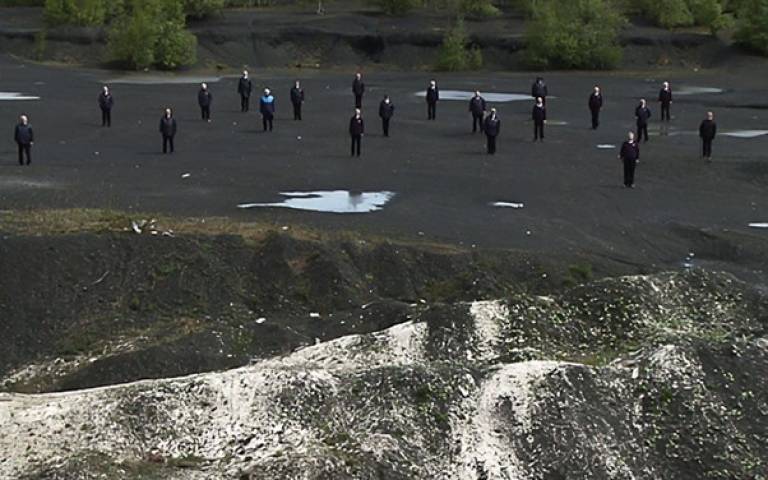
Mud City: Bioregions, Ecotopes and Atmospheres
Margit Kraft and Toby O’Connor
“The limitations of a material’s use, or mis-use, depend solely on our capacity to imagine alternative and unexpected means of incorporating it into the design process.” - Mohsen Mostafavi
This year UG1 will construct a catalogue of design solutions for life within planetary boundaries. The unit will work on developing timelines, settlement structures, building types and material strategies that respond to a specific landscape condition.
UG1 will ask - what kinds of innovative architectures might emerge when we drive principles of natural and local material construction to an extreme?
Working with live client Thames 21, UG1 will investigate and interpret the specific conditions of clay-rich soils along one of London’s 26 neglected rivers, focusing on architectural tectonics and atmosphere in the design of future-proof dwellings in London.
Experimenting with natural and regenerative materials such as local soils and plants, students will move between digital and physical methods in the development of collective and individual material attitudes. This process will be supported by BMade and a network of makers in London. On the field trip to France and Belgium, UG1 will visit cutting-edge practices and buildings of earth construction, immersing in innovative forms of living.
Image: Video Still from ‘Sounds from Beneath’ - by Uriel Orlow & Mikhail Karikis, © Uriel Orlow. All Rights Reserved, DACS 2023.
- UG2
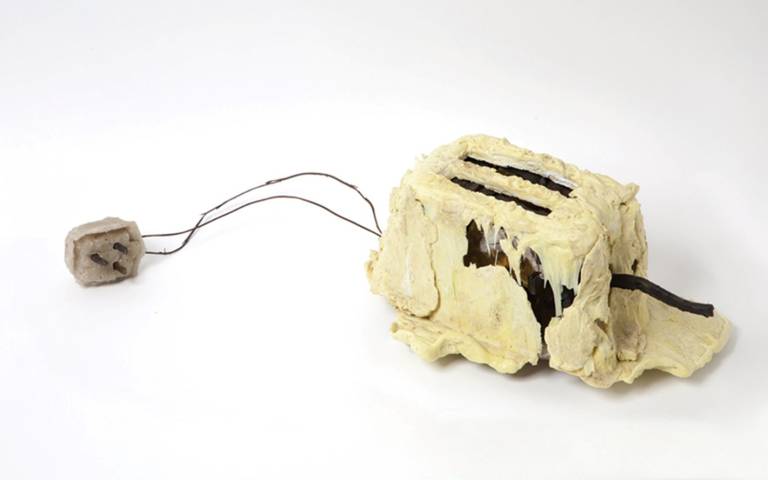
Radical Repair: Designing through Self-Build PracticesZachary Fluker and Jhono Bennett
The built environment is on the path towards radical change, driven by the pressing need to reconsider resource use in line with critical environmental, social, and economic considerations. The way architecture is practiced and how we construct within our cities is poised to be reprogrammed. It will require many new and inventive ways of reusing materials, reconfiguring existing buildings, and rethinking how people work together.
This shift in the approach to design will require a hybridization of old and new techniques, offering exciting opportunities to redistribute the skill and tool sets that produce what we understand as architecture. Positioning people and shared knowledge at the forefront of this movement is the starting point from which students will rethink architectural instruction and making within UG2.
By radically reconsidering what is meant by the client/user/maker, UG2 will focus on the feedback relationships between handmade and digital making. Together, UG2 will learn and share how the agency of self-build can help reshape our cities. Through this interrogation, students will reassess how we value the ways that we could co-produce our built environment towards more equitable futures. This will involve visiting Berlin, a city that has seen radical repair through decades of post-unification urban practices.
Unit Support: Elly Selby
Image: The Toaster Project by Thomas Thwaites. Photograph by Daniel Alexander.
- UG3

Zero Carbon Judy Garland
Ifigeneia Liangi and Daniel Wilkinson
UG3 works with a foot in the magical and a hand in the practical. This year, students will explore the importance of civic responsibility by designing their own personal Oz.
The Wizard of Oz is a dream of a modern alternative world and a socio-political critique. Dorothy, the main character, is led through a technicolour reworking of reality to the city of Oz, which is different and better than her home. This year, UG3 will look at Oz as an example of how serious issues can be dealt with in engaging and popular ways.
Working with real sites, UG3 will propose redevelopments of an urban area, with a focus on a specific type of building, such as a town hall or a police station. The projects will explore the concerns students feel architects should be addressing. These critiques might relate to issues of inclusivity, engagement, politics and much more. We believe that the inadequacy of reality and its political shortcomings can serve as the catalyst that makes us take control and imagine.
UG3 designs will be both spellbinding and responsible, with the unit adopting carbon negative strategies. The field trip will take students to Greece, where they will travel between Athens and Thessaloniki, considering architecture in relation to storytelling.
Each year, the specific tone of UG3’s themes is defined by the identities, desires and personalities of its students. There’s no place like Unit 3.
Image: Dorothy’s Ruby Slippers made by Thomas Rowe, designed by Costume and Puppet Designer Rachael Canning for the theatrical production at the London Palladium. Photograph by Marc Brenner.
- UG4
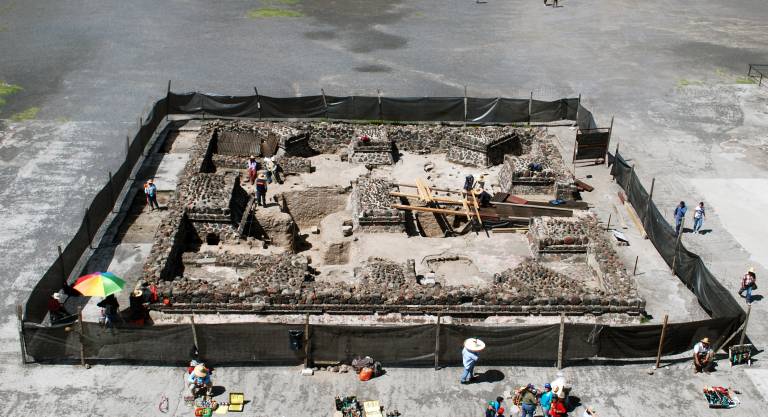
UNEARTHING
Katerina Dionysopoulou and Billy Mavropoulos
UG4 is driven by the conflict between the pragmatic reality of architecture as a profession of restrictions and the deep creativity practitioners bring to projects. The unit is led by Katerina Dionysopoulou and Billy Mavropoulos of the award-winning architecture practice Bureau de Change.
Amidst the noise and constant change of modernity’s ceaseless march exists a lamentable loss - the lineal heritage of humankind has been eroded, obscured, and, in some cases, obliterated.
UG4 will rediscover the history of our multi-layered city, London, unveiling past cultural and architectural contributions. The unit will merge the collective modern knowledge of humanity with the triumphs and tribulations of our ancestors to create an innovative yet grounded way of living.
The exploration will continue to the cities of Barcelona and Mallorca, highlighting the significance of safeguarding historical narratives and their pivotal role in cultivating a sense of continuity and identity within our ever-evolving society.
Unearthing the past is a nuanced and potentially perilous endeavour, yet it encourages us to listen, learn, and ensure that the narrative of our own era will be remembered and celebrated by those who follow in our footsteps.
Image: Excavations under Pyramid del Sol, revealing the ancient Mesoamerican Indigenous civilization, Teotihuacán, 2015, © Polimerek.
- UG5
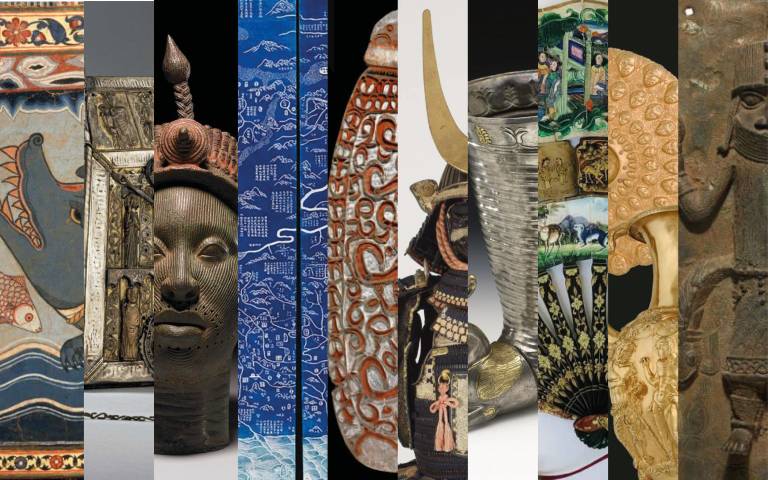
LOOT
Bongani Muchemwa and Patrick Massey
LOOT are cultural artefacts which have been uprooted from their context. These material objects can sometimes be interpreted as symbols of past injustices and therefore play an important role in the complex act of reassessing the past.
UG5 will explore the role that architecture plays within the context of the rapidly evolving global discussion centred around cultural disputes. Within this context, UG5 will explore ways in which to appreciate, share, borrow and establish a dialogue with the forms, symbols, and narratives of cultures foreign to our own.
UG5 will begin by looking closely at objects in the British Museum’s collection and asking, ‘Why does this thing look the way it does?’. Beneath the surface of an object are a whole host of both conscious and unconscious cultural choices. In UG5, students will interpret these objects and images, viewing them both as documents of social worlds but also as bearers of meaning.
The field trip will be to Athens, where students will encounter the remnants and ruins of one of the world's most famous looted sites and the origin of one of the most appropriated architectural styles in the western world.
Image: Online meme ‘No one: … The British Museum: …', @NoContextBrits, March 2022.
- UG6
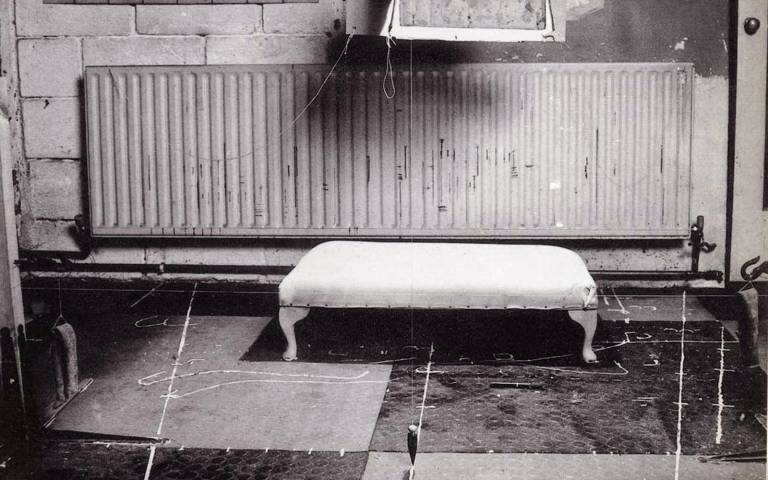
Registration
Stefan Lengen and Ben Spong
UG6 develops experimental approaches that draw out the potential and pleasure in worlds on the edge of architecture’s traditional sphere of concern and studies the fascination between landscape and architecture.
This year the unit will explore the notion of ‘registration’, an idea presented in all stages of architectural production; surveyors use markers to align and cross-reference data, manufacturers use methods such as scraping to determine the accuracy of made parts and brick layers draw plumb lines to position bricks. While recognising the utility of these methods, there is a sense that some of the more pleasurable and unique aspects of registration have been overlooked and UG6 will spend the year drawing them out.
UG6 will begin the year with the construction of an apparatus that registers a spatial, temporal, or environmental phenomenon within Epping Forest, the unit’s site for the year. The registers will enable students to design architectures of critical observation and speculative interjection that sensitively and confidently address our ecological condition.
The field trip is to Copenhagen and Aarhus. UG6 will explore a range of buildings of interest and visit advanced manufacturing facilities, architecture practices and research institutes.
Image: Photograph of Euan Uglow’s Studio set up for Jana 1996-97 from 'Euan Uglow: The Complete Paintings' by Catherine Lampert, published by Yale University Press, New Haven, 2007.
- UG7
- Critical Paths
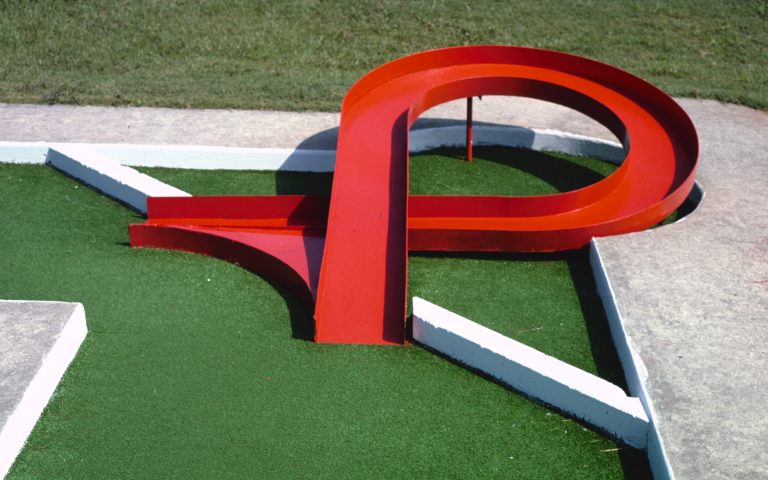
Joseph Augustin, Christopher Burman and Luke Jones
In hindsight, a completed project often seems to have begun with a singular, brilliant idea. In reality, this is almost never the case. Processes matter more than concepts, judgement and repetition more than inspiration. Choices may well be formative, but they’re rarely made with full knowledge of their ultimate effects. The worlds we work inside are 'path dependent' — shaped and constrained by all the decisions, good and bad, that came before.
UG7 asks how should we make best use of our limited and situated agency as designers? 'Critical Paths' will explore architecture as a process of decision-making, both collective and individual, within circumstances outside of our control. This year UG7 invites students to consider the materials and processes they might adopt now, how these might contribute to their own future practices, and the sorts of projects they might want to see in the world, building on the on-going experimentation with novel material systems.
The UG7 field trip will visit the Rhone valley in France by train, a historic centre of stone and earth architecture, ancient cities, novel infrastructures and contemporary centres of material research.
Image: 'Loop De Loop, Jekyll Island Mini Golf, Jekyll Island, Georgia', 1985, John Margolies Roadside America photograph archive (1972-2008), Library of Congress, Prints and Photographs Division.
- UG8
- Weathering Time
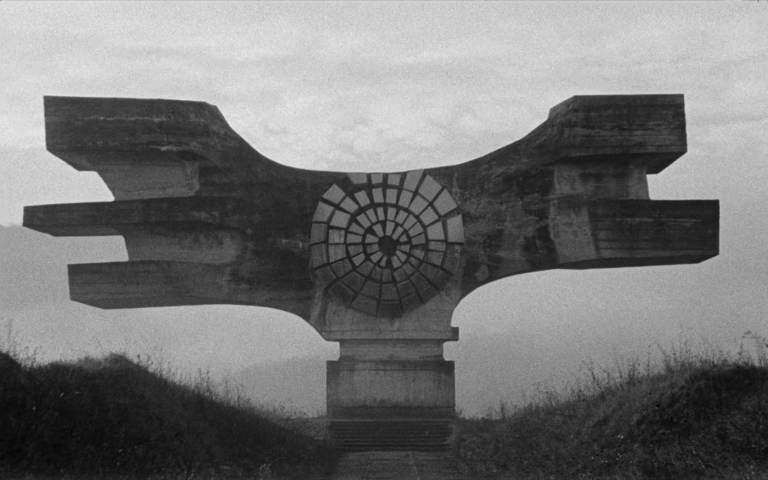
Maria Fulford and Jörg Majer
The water hollowed the stone,
the wind dispersed the water,
the stone stopped the wind.
Water and wind and stone.
- Octavio Paz, A Draft of ShadowsAll buildings are subjected to time. As part of an ongoing interest in materiality, light and space, this year UG8 are going to examine how the built environment responds to the passing of time and by extension how buildings can amplify or alter our perception of time and place.
Time is not passive, it acts upon the natural world with variable force and speed, though it may not always be perceptible, it is a constant. The physical weathering of buildings can be a visible force revealing the effects of environment, material properties, fabrication, culture, society, and events. By contrast, geological changes can happen at minuscule increments over millennia. Though imperceptible, they gradually shift our ground scape and therefore the way we build and inhabit a place.
How can we design for the passing of time in an active way? Should we design buildings that withstand time, or should we acknowledge that all things must come to an end and therefore design for their ultimate demise and return to the ground?
Our final act will be to consider not only how buildings can respond to the passing of time but how they might shape it, perhaps this is the ultimate act of weathering the storm. We will work fast and slow. We will look back, look forward and all around us.
Location of Fieldtrip: Iceland, Reykjavík and beyond
Image: Film still from 'Last and First Men', Director Jóhann Jóhannsson (2020).
- UG9
- LAND
Chee Kit Lai and Doug John Miller
Land is carved, compressed, sold and exploited - and the scar tissue is always visible. As a great shared medium throughout architecture, land is nebulous in scale and influence. Considering architecture as part of a landscape manipulated by politics, ownership, and climate is essential so that in a time of environmental crisis and socio-economic upheaval we speculate practically about the future.
Land as the Mechanical
This year UG9 will consider land as a medium to design architecture. The trip will take students to the Netherlands where they will explore its experimental architecture and famously engineered landscape. This type of ‘Mechanisation’ in the landscape has become the most important factor in expanding human territories and influence, and is often an easy shorthand for control and exploitation. But these mechanisms operate across many different scales.
Agricultural mechanisation has been responsible for the fastest changes in population health and growth in human history. Now, in the midst of a growing energy crisis, vast photovoltaic arrays and systems of dams take over or protect land upon which space is essential to continued survival. UG9 asks - how can we as architects engage with the future of our local landscapes?
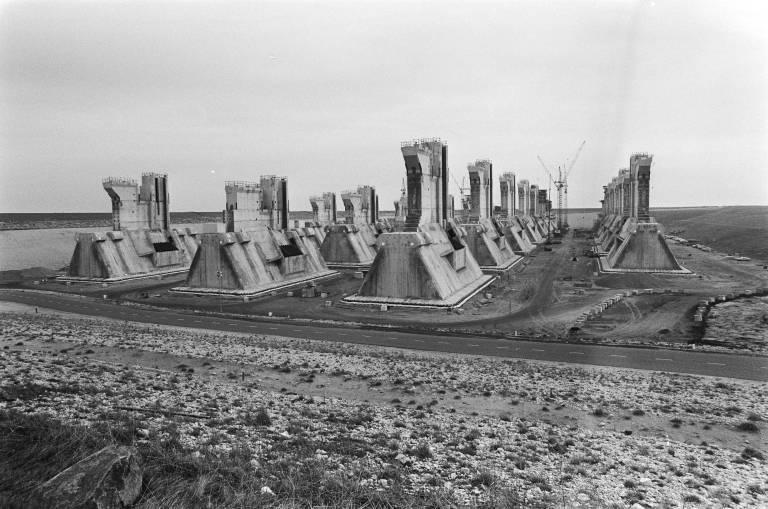
Image: 'Construction of the Oosterschelde storm surge barrier', 1982, Croes, Rob C – Nationaal Archief (Netherlands).
- UG10
- Welcome to the Multiverse

This year, UG10 is exploring alternative visions of the world through the lens of decolonisation and decarbonisation. The unit is inspired by the global majority and their cultural and social references, as well as students own interests.
UG10 imagines a world where superheroes are real, Beyoncé is a deity, and Africa and Latin America were never colonised. Imagining a world where the natural environment is a stakeholder in design projects, and materials are so scarce that it’s only possible to work with what is grown naturally.
UG10 are committed to designing architectures that are both responsive and responsible. Students will learn through making at all scales and develop drawing as a tool for exploring the future, looking to popular culture (music, film, and art) such as sci-fi and afro-futurism for precedents.
For the field trip, students will travel to Mexico and explore indigenous construction methods, alternative narratives, folklore, and construction materials.
Architecture can be a powerful tool for social justice. UG10 are excited to create new visions for the world that are more equitable, sustainable, and just.
Image: Olalekan Jeyifous, All Africa Protoport, ACE/AAP (2023), for Biennale Archittettura 2023: The Laboratory of the Future, Venice, curated by Lesley Lokko. Photograph by Neba Sere.
- UG12
- Settlement
Hannah Corlett and Niall McLaughlin
A settlement suggests a community of buildings in a particular place, taking characteristics from the landscape, the environment, the activities of people, or the materials available. A situation with its own origins, which grows and develops over time. It is also an agreement, simple or complex, which once debated, is settled in a way acceptable to all parties.
Both meanings require each other. To live together we must understand values and how to cooperate. On a personal level, settling belongs to our oldest animal intuitions and is at the heart of architectural experience. Finally, buildings themselves settle. They wear and weather. People develop habits around them: they acquire histories.
Together, UG12 will create a constitution for a new settlement. Agreeing shared values as a tool, each student will design an individual building on the site. Students will review each other’s work as the designs develop via 'Town Hall' meetings, generating a sense of power as a collective and priorities as an individual.
A particular focus will be on understanding the environmental significance of waste, culture, process and time. This year the settlement will be located on Platt’s Eyot, a small river island (Holm) and the optional field trip will be with UG4 to Mallorca via Barcelona.
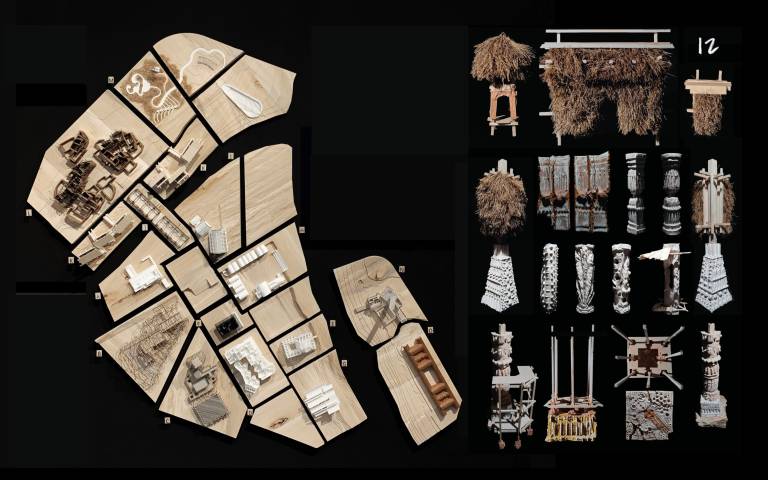
Image: UG12 Settlement model, and building element development models by Jack Bowers Y2, UCL 2022.
- UG13
- Cut it at the table / An Architecture of Consumption
William Victor Camilleri and Laurence Blackwell-Thale
If materials, sites and narratives are ingredients, architecture is the food, its inhabitation the feast day. The food-architecture metaphor is ripe for interpretation, abstraction and adaptation, allowing us to become chefs of space, with the workshop for our kitchen. UG13 will consciously play with the delineations of this metaphor, allowing programme, spatial inhabitation, performance and entropy to play out through shifting arrangements of architectural assembly.
Consumption: The action of using up a resource. The transfer of energy from one vessel to another. Breaking down an assembly into parts of the whole, rather than reverting back to base materials. The definitions of consumption are deliberately varied and vast. The role of consumption in architecture forces us to question material cycles, embodied energy, wastage and reuse.
Like a dinner, consumption is a performative process, where materials change state and form, an experience which should be enjoyed and rendered visible, both in order to educate as well as encounter. We savour the tactility of the object and the ceremony of the method. A metal connection that informs the timber frame. A skin is invited to join the assembly, and the architecture contacts the ground. Ingredients may be materials, narratives or cultural influences. Once assembled, these arrangements are then interrogated, inhabited and fundamentally consumed.
UG13 will explore a range of architectural scales, from the technical detail to the spatial arrangement. Inter-dependency between these is intrinsic and embedded in the unit’s proposals - a detail informs a place to inhabit, and the orientation determines the material assembly. Buildings will be thoroughly resolved while allowing space for indeterminacy; dynamism and curation offset by entropy and exploratory options. UG13 will remain open to a range of influences, from carefully considered construction methods to film, manufacturing techniques and fine art. Students will enjoy the experience of space, seeing the theatricality of construction as a driver for heightened inhabitation and a key to understanding the site-specific assemblies.
So please, join us for dinner.
Location of the field trip: In collaboration with UG6, UG13 will travel to Copenhagen and along the E20 to see moments of architectural grace, taste some of Europe’s best cuisine, and define our sites for the building project.
Guest critic: Tamsin Hanke
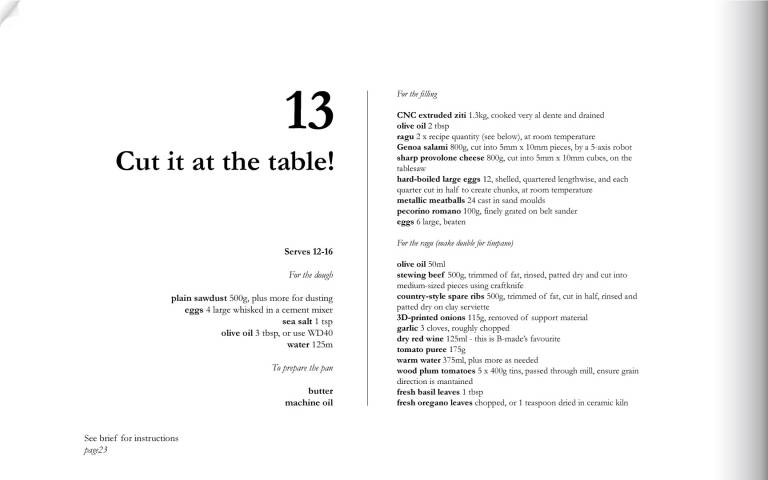
Image: The Timpano Scene, from Tucci’s Big Night.
- UG14
- Skopje 2024: AuthentiCity
David Di Duca and Tetsuro Nagata
UG14 continues its studies into how societies remember and forget through the built environment. This year, the unit will be in search of authenticity when architecture has been exploited for the purposes of identity politics; becoming a propaganda tool to force new values on an unknowing public.
'Skopje 2014' was a project enacted to transform North Macedonia’s capital, to create a new national identity by rewriting its history. UG14 will visit the city to experience the aftermath of the project, and question how to create a more democratic and authentic architecture. Considering how attitudes to the ‘truth’ can vary depending on the framing in which it is presented, UG14 will aim to design buildings that provide the context to allow observers and users to construct new understandings and knowledge.
In a time when global environmental and economic factors advocate against the inexcusable demolition of buildings, the unit will continue to imagine evocative and innovative futures by adapting existing structures. As AI blurs the boundaries between what is ‘real’ and ‘not real’, the unit will aim to find space for both, to tell new untold truths in a knowingly fantastical world.
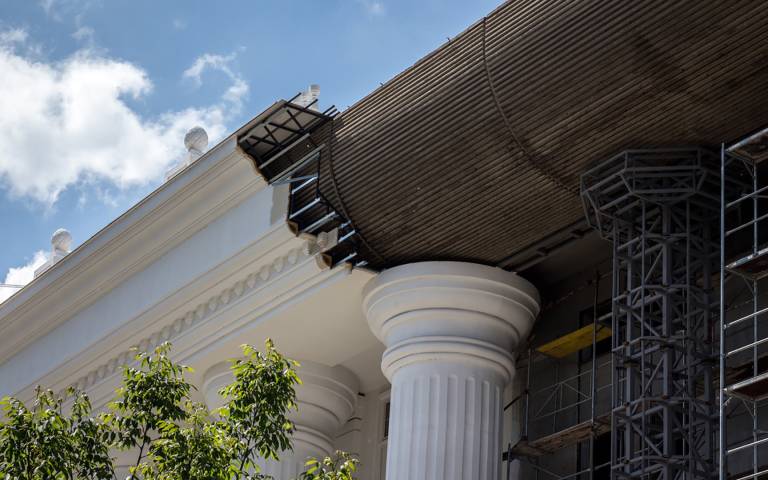
Image: Skopje 2014 renovations. Photograph by Darmon Richter.
- UG21
- Sequential
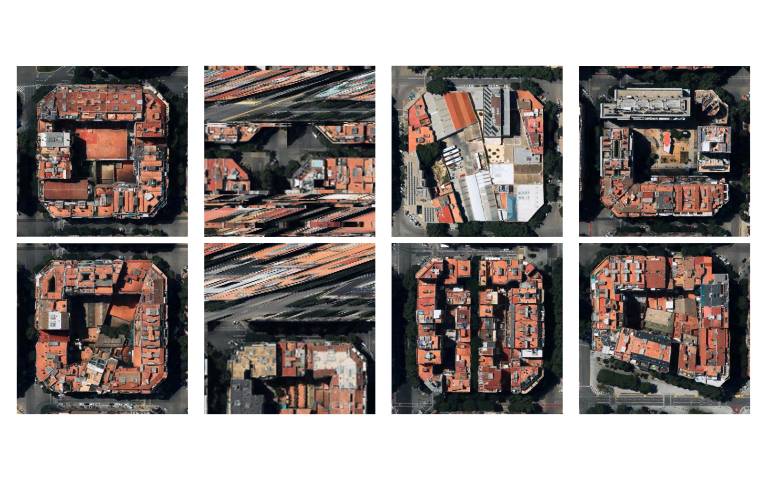
Abigail Ashton, Andrew Porter, and Tom Holberton
Sequential processes are present in many analogue and digital systems. From ChatGPT to our perception, physical making to film making, there are ways of thinking that operate as a string of successive transformations and decisions.
This year UG21 students will be making throughout the year. This could be physically or digitally, between the analogue and the digital, but their process must be a continuous chain of consequences. Students will develop their own evolving method that creates, fixes, and reacts to itself. It should embrace operating in the moment, without necessarily knowing the end, or remembering the beginning.
UG21 will travel to Catalonia and Barcelona, to visit a continuously changing city, and explore various projects by Gaudi, Miralles, Bofill and RCR. The unit operates a vertical studio culture that combines all years, from Year 2 to Year 5, supporting each student to develop their own unique design approach, and placing a value on the process throughout the whole year.
Image: Satellite images of urban blocks in Eixample, Barcelona. No 2 + 6 reconfigured by a Markov Chain.
Key information
Entry requirements
- Read the entry requirements for this programme on the UCL Undergraduate Prospectus
Application deadline
Applications are now open for 2024 entry via UCAS. The deadline for applications is 31 January 2024.
Fees and funding
- Tuition fee information can be found on the UCL Undergraduate Prospectus
- For a comprehensive list of the funding opportunities available at UCL, including funding relevant to your nationality, please visit the Scholarships and Funding section of the UCL website.
Accreditation
Architecture BSc is accredited by the Royal Institute of British Architects (RIBA) and the Architects Registration Board (ARB). Students who successfully complete the programme are exempt from Part 1 of the ARB/RIBA examinations.
Careers
Upon completion of the programme, many of our students continue with their training to become registered architects by taking a year out in an architect's office in the UK or overseas, before applying for Architecture MArch or another postgraduate degree.
Graduates of this programme benefit from excellent employment opportunities and destinations vary from internationally renowned offices to small-scale specialist practices. Some architecture graduates also use their highly transferable skills in other design-related disciplines, such as film-making, website design and furniture design.
Contacts
Programme Director: Farlie Reynolds
Programme Administrators: Beth Barnett-Sanders (BSc Year 1) and Kim Van Poeteren (BSc Year 2&3)
Departmental Tutors: Dr Lo Marshall (Year 1), Albert Brenchat Aguilar (Year 2) and Dr Stamatis Zografos (Year 3)
Programme Admissions: Colin Smith
Undergraduate Admissions enqueries: Complete the contact form